Good blood flow is fundamental to overall health, but often overlooked as we age. While heart health dominates discussions, the health of your veins – especially in the legs – silently degrades with time. Gravity works against blood returning to the heart, and weakened vein valves can cause blood to pool, leading to discomfort and visible issues. Fortunately, maintaining healthy circulation isn’t about complex science; it’s about consistent, everyday habits.
Why Circulation Declines with Age
As we get older, blood vessels lose elasticity and vein valves become less efficient. These valves prevent backflow, particularly in the legs, but weaken over time, causing blood to pool and increasing pressure. This leads to symptoms like swelling, aching, and the appearance of varicose veins. Lifestyle factors significantly impact this process: prolonged sitting, lack of exercise, obesity, and chronic stress all strain the circulatory system. The good news? You can slow or even reverse these changes through conscious daily habits.
Movement: The Best Medicine for Your Veins
Consistent movement is the single most effective way to protect circulation. Muscle contractions, especially in the calves, act as a secondary pump, helping propel blood upwards. When movement is limited, blood accumulates in the lower limbs. Low-impact activities like walking, swimming, yoga, and cycling promote blood flow without excessive strain. Even small changes, like standing up and stretching every hour, can make a big difference for those with sedentary jobs.
Posture and Body Awareness: Subtle but Significant
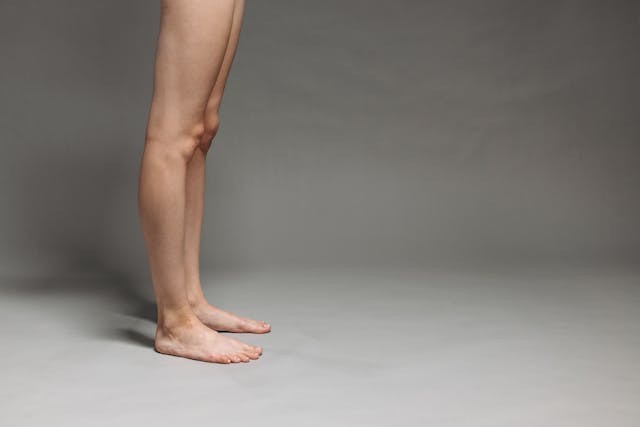
Posture plays a surprisingly important role. Poor posture or prolonged cross-legged sitting compresses vessels and hinders blood flow. Maintaining an upright position with both feet grounded ensures more even circulation. Elevating your legs briefly, especially using muscle contractions to lift them, helps gravity return blood to the heart, reducing pressure and swelling.
Nutrition for Vascular Health: Fueling Your Blood Vessels
A diet that supports good circulation focuses on reducing inflammation and strengthening blood vessels. Antioxidants, fiber-rich foods, and healthy fats are essential. Fruits, vegetables, whole grains, nuts, and lean proteins help maintain a healthy weight, reducing pressure on veins. Hydration is equally crucial; adequate water intake keeps blood viscosity optimal for smooth flow. Dehydration thickens blood, exacerbating leg discomfort.
Weight Management: Less Pressure, Better Flow
Maintaining a healthy weight is one of the best things you can do for your veins. Excess weight adds pressure to the venous system, especially in the legs, making it harder for blood to return to the heart. Over time, this weakens vein valves. Even modest weight loss can significantly reduce discomfort.
Stress Reduction: Calm Blood Vessels, Healthy Circulation
Chronic stress constricts blood vessels, hindering flow and raising vascular pressure. Techniques like deep breathing, meditation, and gentle movement activate the body’s relaxation response, promoting healthier blood flow and elasticity. Prioritizing stress management is just as vital as exercise and diet.
Prioritize Sleep: Repair and Rebalance
Good sleep is essential for vascular repair and hormonal balance. During sleep, the body repairs blood vessels and reduces inflammation. Establishing a regular sleep schedule, avoiding screens before bed, and sleeping with legs naturally positioned all improve circulation and reduce leg pain.
Early Intervention: Listen to Your Body
Vein problems often develop gradually, making early detection critical. Pay attention to subtle symptoms like leg heaviness, swelling, or visible vein patterns. If lifestyle changes don’t provide relief, a professional evaluation can diagnose and treat issues before they worsen.
Healthy circulation isn’t just about physical comfort; it’s about maintaining confidence and independence as you age. By prioritizing mindful habits and seeking appropriate medical care, you can protect and improve your veins, enhancing your long-term quality of life.