Inflammatory bowel disease (IBD), including Crohn’s disease and ulcerative colitis, can affect more than just the digestive system. Between 25% and 40% of people with IBD experience complications outside the gut, and about 10% of those will develop eye problems. Notably, these eye issues are more common in individuals with Crohn’s disease than in those with ulcerative colitis. This matters because inflammatory conditions often don’t stay localized; they signal broader immune system dysfunction.
Why Does Crohn’s Affect the Eyes?
The connection is rooted in how the body’s immune system reacts. In Crohn’s, the immune system attacks the gastrointestinal tract, but it can also mistakenly target other tissues, including those in the eyes. As Dr. Calvin Roberts explains, “The tissues that make up the eye are very similar to tissues in other parts of the body, so inflammatory diseases that affect other organs… will affect the eye as well.” The inflammation itself, and even some treatments for Crohn’s, can contribute to these ocular issues.
Common Eye Conditions Linked to Crohn’s
Several specific eye conditions are associated with Crohn’s disease:
- Uveitis: Inflammation of the middle layer of the eye (uvea). This is one of the most frequent eye problems in IBD, with research showing that people with Crohn’s are significantly more likely to develop it than those with UC. Symptoms include blurred vision and swelling. If left untreated, uveitis can lead to glaucoma and vision loss.
- Episcleritis: Inflammation of the outer coating of the white part of the eye. This condition often flares up during periods of active Crohn’s disease, causing redness, soreness, and light sensitivity.
- Dry Eye Syndrome (Keratoconjunctivitis Sicca): Inflammation reduces tear production, leading to itching, burning, and a gritty sensation. Malabsorption of nutrients, particularly vitamin A, common in Crohn’s, can worsen this condition and even cause night blindness in severe cases.
- Keratopathy: Abnormalities of the cornea that can result from uveitis or dry eyes, leading to blurred vision.
Treatments and Prevention
Most eye problems related to Crohn’s are treatable, typically with steroid eye drops. For more severe cases, oral corticosteroids or other anti-inflammatory medications may be necessary. Dry eyes can be managed with artificial tears or cyclosporine drops.
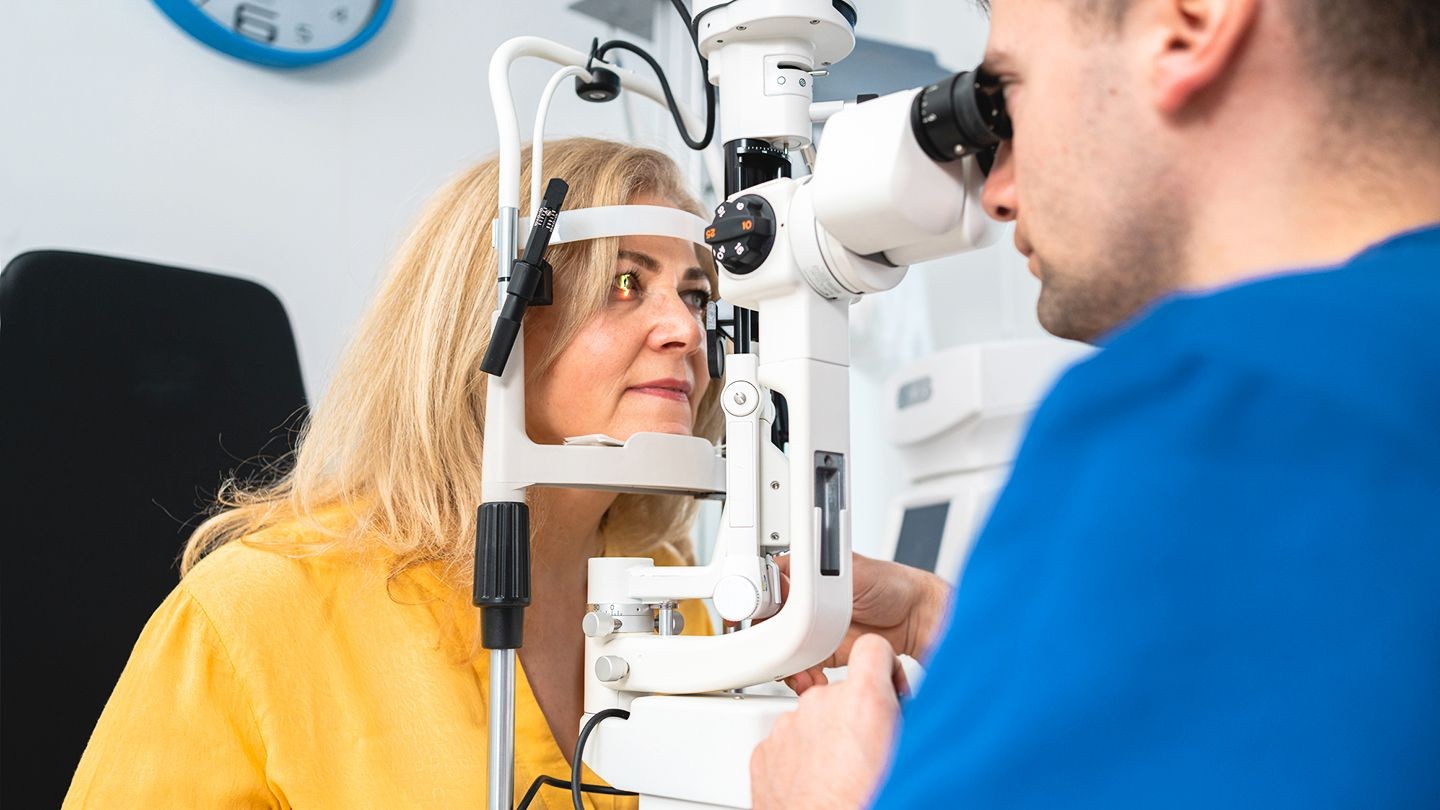
The best approach involves controlling Crohn’s-related inflammation and getting regular eye exams. Early detection and treatment can prevent complications and preserve vision.
Ultimately, the link between Crohn’s disease and eye health underscores the importance of a holistic approach to managing chronic inflammatory conditions. Systemic inflammation doesn’t respect organ boundaries, and proactive monitoring is key to avoiding preventable complications.