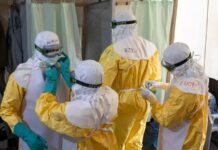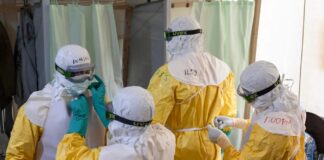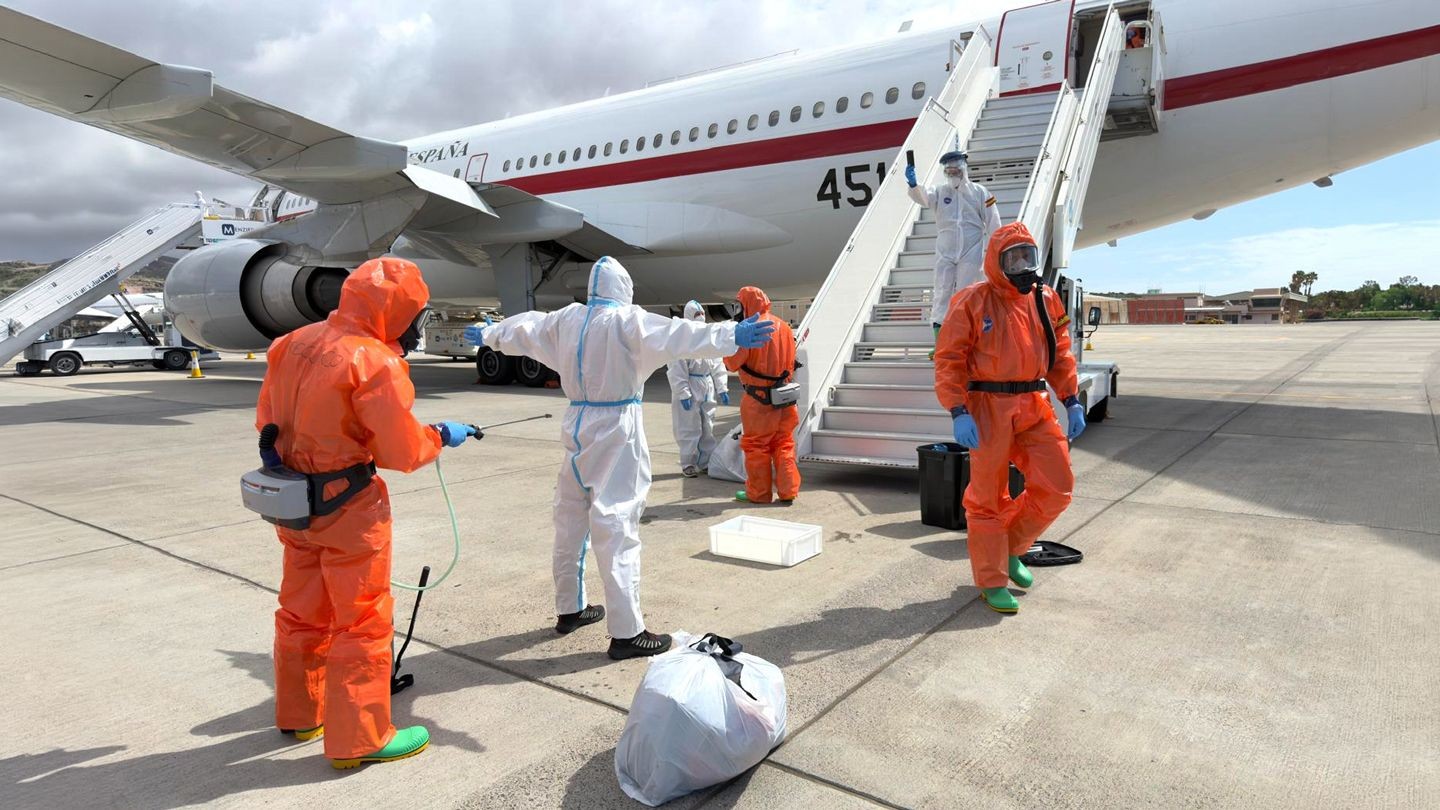
Global health authorities are closely monitoring a rare hantavirus outbreak aboard the cruise ship MV Hondius. The incident, which has resulted in at least seven confirmed cases and three deaths, marks the first time such an outbreak has occurred in a maritime setting. While images of passengers in hazmat suits have sparked public anxiety, infectious disease specialists emphasize that the risk to the general population remains very low.
This event is significant not because it signals an impending global pandemic, but because it highlights the unique characteristics of the Andes strain of hantavirus—a virus that, unlike most of its relatives, can spread from person to person.
The Timeline of the Outbreak
The outbreak began after the MV Hondius departed from Ushuaia, Argentina, on April 1, 2026, with 147 passengers and crew. The initial case involved a 70-year-old Dutch ornithologist who had spent three months traveling through Argentina, Chile, and Uruguay.
- April 6: The passenger developed symptoms including fever, headache, stomach pain, and diarrhea.
- April 11: He died onboard.
- April 26: His 69-year-old wife, who showed signs of illness shortly after him, also died.
Argentinian authorities suspect the couple contracted the virus by inhaling particles from the feces of long-tailed pygmy rice rats while visiting a landfill near Ushuaia. They were reportedly searching for a rare bird known as “Darwin’s caracara.” A third death occurred on May 2.
All passengers have since been evacuated. The ship is currently moored near Cape Verde off the coast of West Africa. Eighteen travelers from the United States are being monitored at medical facilities. The World Health Organization (WHO) continues to coordinate an international response, maintaining that the global risk level is low.
Why the Andes Strain Is Different
To understand the risk, it is necessary to distinguish between common hantaviruses and the specific strain involved in this outbreak.
- Typical Hantavirus: Most hantaviruses are spread from rodents (mice and rats) to humans via feces, urine, or saliva. They generally do not spread from person to person.
- The Andes Strain: This is the only known species of hantavirus documented to transmit between humans.
However, person-to-person transmission of the Andes strain is not casual. It requires close, prolonged contact with a symptomatic individual. This includes direct physical contact, sharing utensils, kissing, or handling contaminated bedding.
Peter Chin-Hong, MD, an infectious disease specialist at UCSF, explains that the Andes strain replicates more efficiently in the body, particularly in the cells lining the lungs and salivary glands. This high viral load in saliva and respiratory secretions facilitates transmission. Furthermore, human saliva is less effective at inactivating the Andes virus compared to other hantavirus strains.
A complicating factor is the virus’s long incubation period. Infected individuals can travel long distances before symptoms appear, making it difficult for clinicians to pinpoint the source of infection.
Why This Is Not the Next COVID-19
For many, the image of a virus spreading on a cruise ship evokes memories of the early days of the COVID-19 pandemic. However, experts point out several critical differences that make a hantavirus pandemic highly unlikely.
1. Lower Contagiousness
The Andes strain is significantly harder to transmit than SARS-CoV-2. Shauna Gunaratne, MD, MPH, from Columbia University Medical Center, notes that the high fatality rate of hantavirus pulmonary syndrome (nearly 40% in the Americas) actually limits its spread. Because patients die shortly after infection, they have less opportunity to transmit the virus to others.
2. Symptom-Dependent Transmission
Hantavirus does not spread easily until the infected person is visibly very sick.
“Epidemiologic data show that the window of transmission is fairly short — about a day — with peak transmission occurring on the day people develop a fever,” says Dr. Chin-Hong.
When symptoms appear, they progress rapidly, often requiring intensive care within hours. This means infected individuals are unlikely to be moving through public spaces and spreading the virus, unlike the asymptomatic spread seen in other respiratory pandemics.
3. Geographic Containment
The Andes strain is almost exclusively found in specific rodent populations in South America, primarily in Argentina and Chile. This geographic limitation further reduces the likelihood of a global outbreak.
Recognizing and Preventing Infection
While the cruise ship outbreak poses little threat to the general public, hantavirus remains a serious health risk in endemic areas. Notably, the virus claimed the life of actress Gene Hackman’s wife, pianist Betsy Arakawa, on their Santa Fe property last year.
Early Symptoms (First few days):
* Fatigue
* Fever
* Muscle aches (especially in thighs, hips, back, and shoulders)
* Headaches, dizziness, and chills (in about half of patients)
* Abdominal issues (nausea, vomiting, diarrhea)
Later Symptoms (4–10 days after onset):
* Coughing
* Shortness of breath
* Chest tightness as lungs fill with fluid
Prevention Tips:
* Avoid rodent-infested areas: Stay away from closed, poorly ventilated spaces with signs of rodents.
* Do not sweep droppings: Sweeping can stir up infected particles into the air. Use disinfectants and wet mops instead.
* Avoid close contact: Steer clear of individuals who appear visibly ill.
* Monitor travel health: Check public health advisories before traveling to endemic regions.
“If you become sick after traveling, seek medical care and share detailed notes about where you traveled and any unusual exposures,” advises Dr. Robert H. Hopkins, Jr., MD. “Your notes may give clues to help your doctor detect unusual illnesses.”
Conclusion
The hantavirus outbreak on the MV Hondius serves as a stark reminder of the dangers posed by zoonotic diseases, but it does not indicate an imminent global crisis. The Andes strain’s requirement for close contact, its geographic limitations, and the rapid incapacitation of infected individuals act as natural barriers to widespread transmission. Public health officials remain vigilant, but for the general public, the risk remains contained.