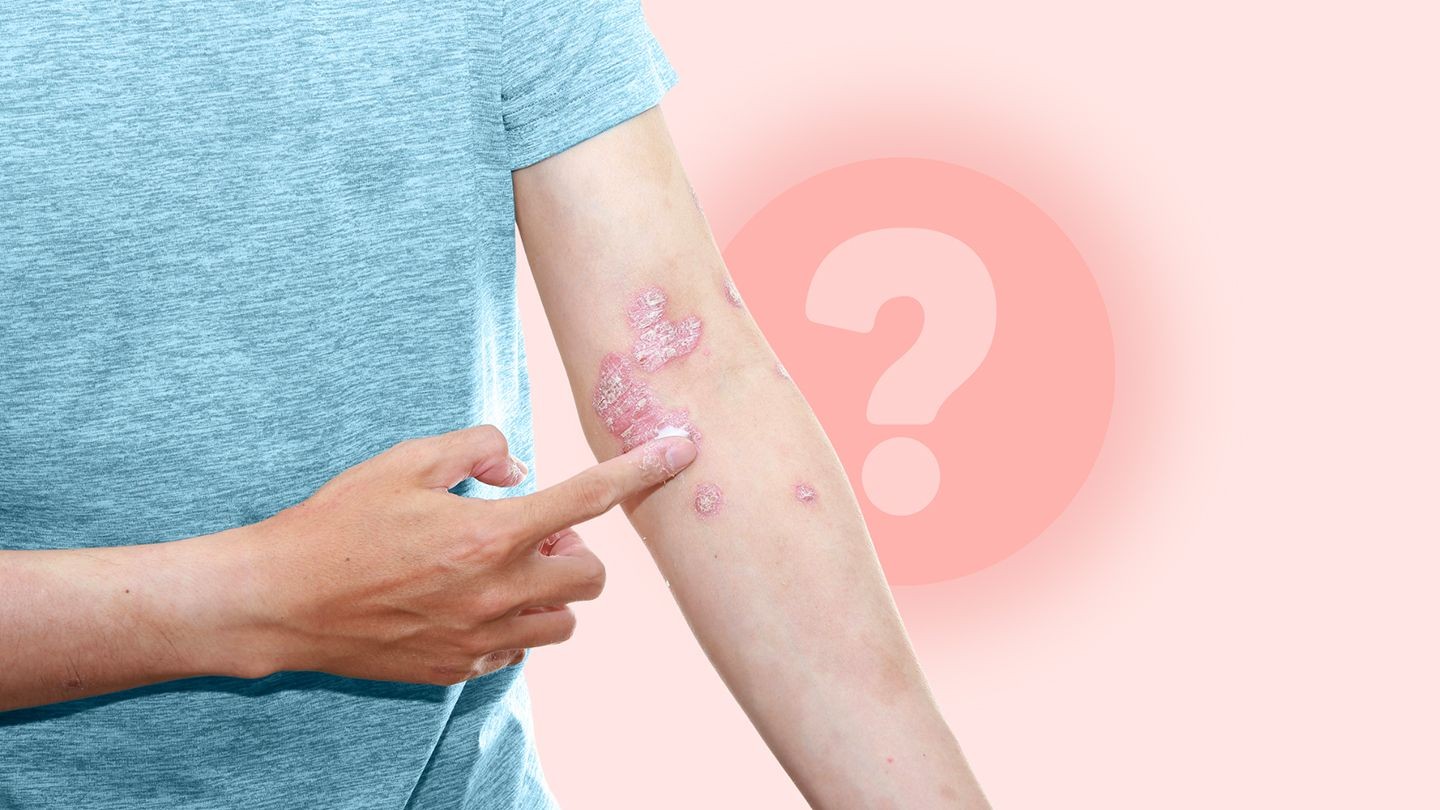
Psoriasis, a chronic skin condition causing inflamed, scaly patches, often requires ongoing treatment. While modern therapies are highly effective, it’s common for treatments to lose potency over time. This isn’t just a matter of perception; the body can adapt, diminishing a drug’s impact. Understanding why this happens is crucial for managing the condition effectively.
How Treatments Lose Effectiveness: A Breakdown
The likelihood of treatment failure varies depending on the approach:
- Topical Treatments: Despite claims to the contrary, there’s little evidence that topical steroids lose effectiveness due to “tachyphylaxis” (a supposed decline in response). Instead, worsening psoriasis or inconsistent application is more likely to blame.
- Systemic Corticosteroids: These aren’t a primary psoriasis treatment, and evidence suggests they don’t lose efficacy over time. Historically avoided due to potential flares, recent reviews show this risk is often overstated.
- Biologics: Unlike other options, biologics do demonstrably lose effectiveness. The immune system can recognize these drugs as foreign, neutralizing their impact. This typically takes 6–24 months, but even reduced effectiveness may suffice temporarily. After a decade, only 26% of patients remain on their initial biologic, with most switching due to diminished results. Crucially, resistance isn’t universal; switching to another biologic within the same class can often restore efficacy.
- Other Therapies: Treatments like acitretin, cyclosporine, and methotrexate don’t typically lose potency, but limitations in their overall effectiveness or side effects may make them unsuitable for long-term use. Phototherapy can also become less effective if psoriasis worsens or appointments are missed.
The Biological Basis of Resistance
Biologics, structurally similar to human components, trigger immune responses that reduce their efficacy. As the immune system learns to neutralize these drugs, their potency declines. This isn’t a fixed problem, however: switching to another biologic in the same class (TNF inhibitors, IL-17 inhibitors, etc.) can often restore effectiveness.
What to Do When Treatment Fails
If a psoriasis treatment stops working, switching to a different, clinically proven option is the next step. The field has many effective treatments, and new ones are emerging.
“We’re pretty lucky that we have so many effective treatment options for psoriasis,” says Dr. Matt Lewis of Stanford Medicine. “The biologics are incredibly effective, and the available options are going to keep growing.”
Ultimately, proactive management and open communication with your healthcare provider are key. If your current regimen isn’t working, explore alternatives with proven clinical success.