


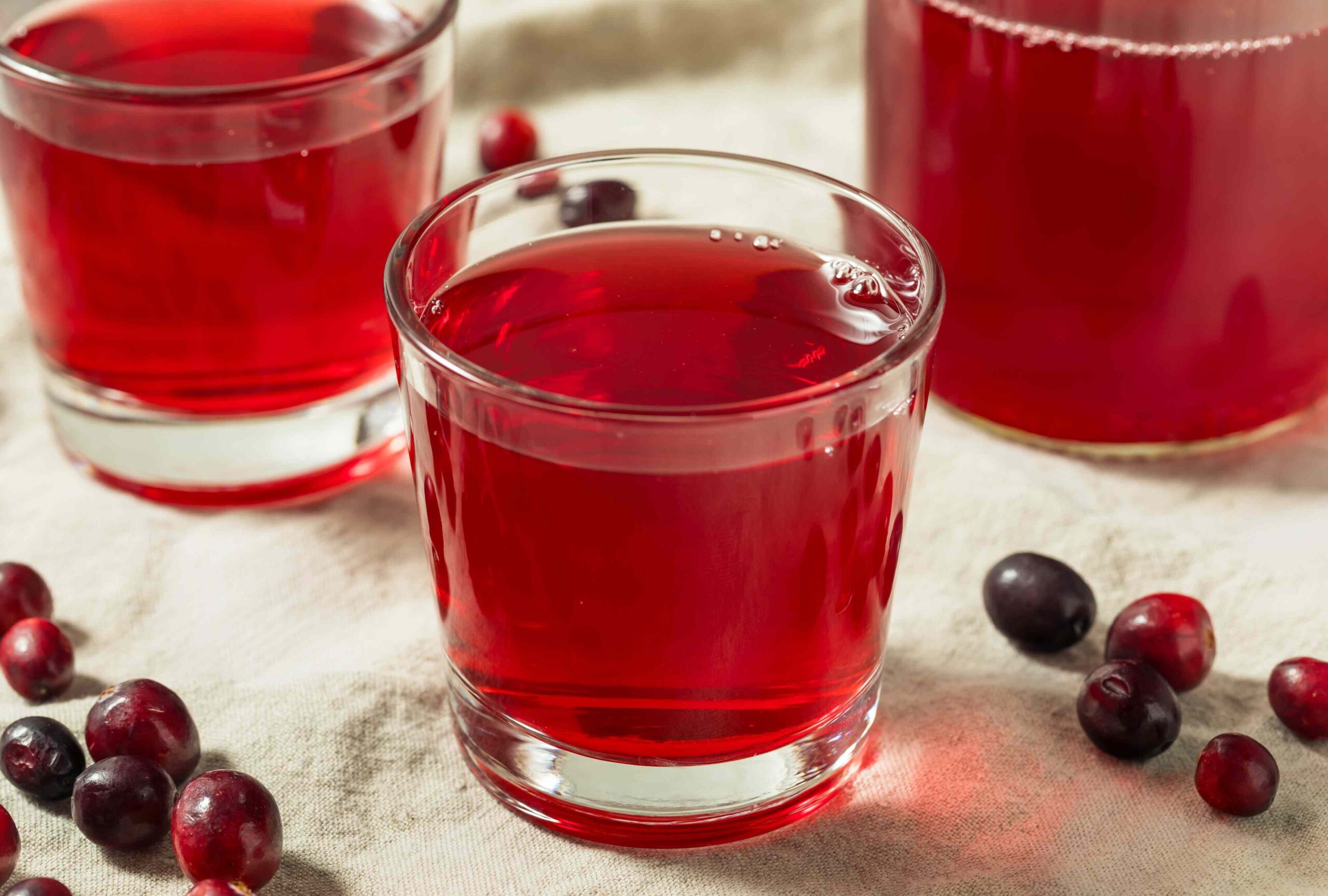
Cranberry juice has long been known for its ability to prevent urinary tract infections (UTIs), but its benefits extend far beyond that. Emerging research shows this tart beverage may offer significant advantages for heart health, immunity, gut function, and even inflammatory conditions like rheumatoid arthritis. Here’s a detailed breakdown of what the science says, why it matters, and how to incorporate it into your routine.
Heart Health: More Than Just a Myth?
Drinking low-calorie cranberry juice may reduce key risk factors for heart disease. Studies indicate potential improvements in blood pressure, inflammation (measured by C-reactive protein), fasting blood sugar, and blood fat levels (triglycerides). This is significant because heart disease remains the leading cause of death globally; even small dietary changes can have a large cumulative effect.
Immune System Support: Beyond Vitamin C
Cranberry juice isn’t just a source of vitamin C. Its polyphenols actively block viruses from reproducing and stimulate the immune system, potentially reducing the severity of common colds and flu. The juice also boosts immune cell counts, providing a stronger first line of defense against infection. This matters because a robust immune system is crucial for overall health, especially in an age of evolving pathogens.
UTI Prevention: The Well-Established Benefit
The most well-known benefit remains UTI prevention. Cranberries contain proanthocyanidins, antioxidants that prevent E. coli and other bacteria from adhering to bladder walls, lowering infection risk. While juice may be more effective than capsules, it’s important to note that cranberry juice treats prevention, not active infection.
Gut Health: A Surprising Connection
Cranberries can positively influence the gut microbiome – the trillions of bacteria in your digestive system. Antioxidants reduce inflammation, kill harmful bacteria, and promote the growth of beneficial microbes. In obese adults, this may translate to reduced inflammation and constipation. Gut health is increasingly recognized as central to overall wellness, impacting everything from mental health to chronic disease risk.
Other Potential Benefits: Ulcers, Arthritis, and Vaginal Health
Emerging research suggests cranberry juice may also help manage:
- Stomach ulcers: By reducing H. pylori infection (though antibiotics may still be needed).
- Rheumatoid arthritis: By lowering levels of anti-CCP antibodies, which mistakenly attack healthy tissue.
- Vaginal health: By restoring bacterial balance and preventing bacterial vaginosis (BV), especially in postmenopausal women.
Nutritional Profile: What’s Inside?
An 8-ounce serving of unsweetened cranberry juice provides:
- Calories: 116
- Fat: 0.329g
- Carbohydrates: 30.9g (mostly sugars, but natural)
- Vitamin C: 26% of daily value
- Vitamin E: 20% of daily value
- Vitamin K: 10% of daily value
The real power lies in its polyphenol antioxidants —phenolic acids, anthocyanins, and flavonoids—which fight inflammation, support brain health, and protect against chronic diseases.
Safety and Considerations: What You Should Know
Cranberry juice is generally safe, but high doses may cause stomach upset. Pregnant or breastfeeding women should consult a doctor before consuming it regularly, especially if treating a condition. Conflicting research exists regarding interactions with blood thinners like warfarin.
Crucially, cranberry juice is not a substitute for medical treatment. If you have a UTI or other serious condition, see a healthcare provider.
How to Enjoy Cranberry Juice: Making It Palatable
Pure cranberry juice is tart. Opt for unsweetened versions to avoid added sugars. Mix it with other fruit juices, sparkling water, or use it as an ingredient in smoothies for a more enjoyable experience.
In conclusion, cranberry juice offers a range of potential health benefits supported by emerging research. From heart and gut health to immune support and UTI prevention, this tart beverage may be a valuable addition to a well-rounded diet. However, moderation and awareness of potential interactions are key.


