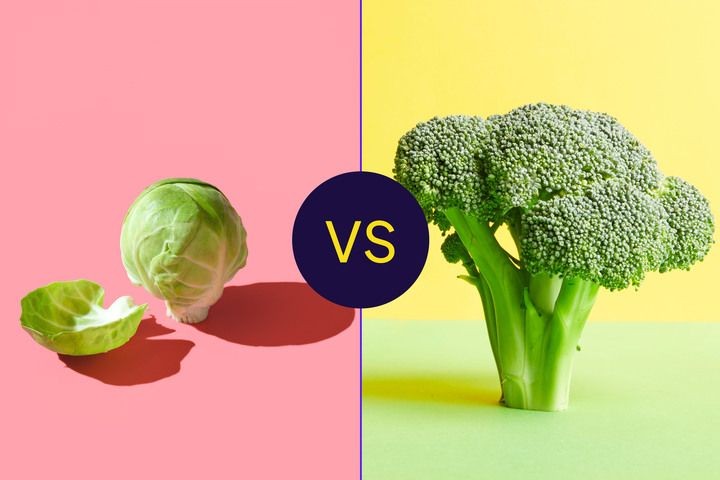
Both broccoli and Brussels sprouts are nutritional powerhouses, packed with antioxidants that fight cellular damage. But which one delivers the bigger health boost? The answer isn’t simple.
What Do Antioxidants Actually Do?
Antioxidants neutralize free radicals —unstable molecules linked to stress, poor diet, and chronic disease. When antioxidant intake is low, oxidative stress builds up, increasing risks for inflammation, premature aging, and illness. Antioxidants work by directly neutralizing these unstable molecules (vitamin C, E) or activating enzymes that help the body clean them up (catalase, uric acid).
While research supports their benefits, studies on disease prevention are mixed: some suggest they can reduce cancer risk, others find no protective effect, and a few even show potential harm from high-dose supplements.
The Nutritional Breakdown: Head-to-Head
A single serving of these vegetables reveals striking similarities:
Broccoli (85g raw): 78mg Vitamin C, 0.13mg Vitamin E, 0.54mg Niacin, 79mcg Beta-carotene, and 633mcg Lutein/Zeaxanthin.
Brussels Sprouts (88g raw): 75mg Vitamin C, 0.77mg Vitamin E, 0.66mg Niacin, 396mcg Beta-carotene, and a substantial 1,400mcg Lutein/Zeaxanthin.
Both also provide fiber, potassium, vitamin K, and folate—essential nutrients for digestion, blood pressure, bone health, and cell growth.
Beyond Antioxidants: Why These Vegetables Matter
Broccoli and Brussels sprouts aren’t just about antioxidants. Fiber improves gut health and blood sugar control. Potassium supports heart function. Vitamin K strengthens bones. Folate aids cell production.
Which One Wins? It Depends.
There is no clear winner. Broccoli excels in flavonoids (kaempferol, quercetin) linked to heart health. Brussels sprouts dominate in beta-carotene and lutein/zeaxanthin—critical for eye health. Broccoli sprouts (very young plants) contain exceptionally high levels of sulforaphane, an antioxidant that may protect against cancer and neurodegenerative diseases.
However, cooking methods impact sulforaphane levels in both.
The Bottom Line
The best approach is to rotate these vegetables into your diet. Your taste preferences, cooking style, and budget should guide your choice. The key is to consume at least 2–4 cups of vegetables daily. Both broccoli and Brussels sprouts are valuable tools for supporting overall health.