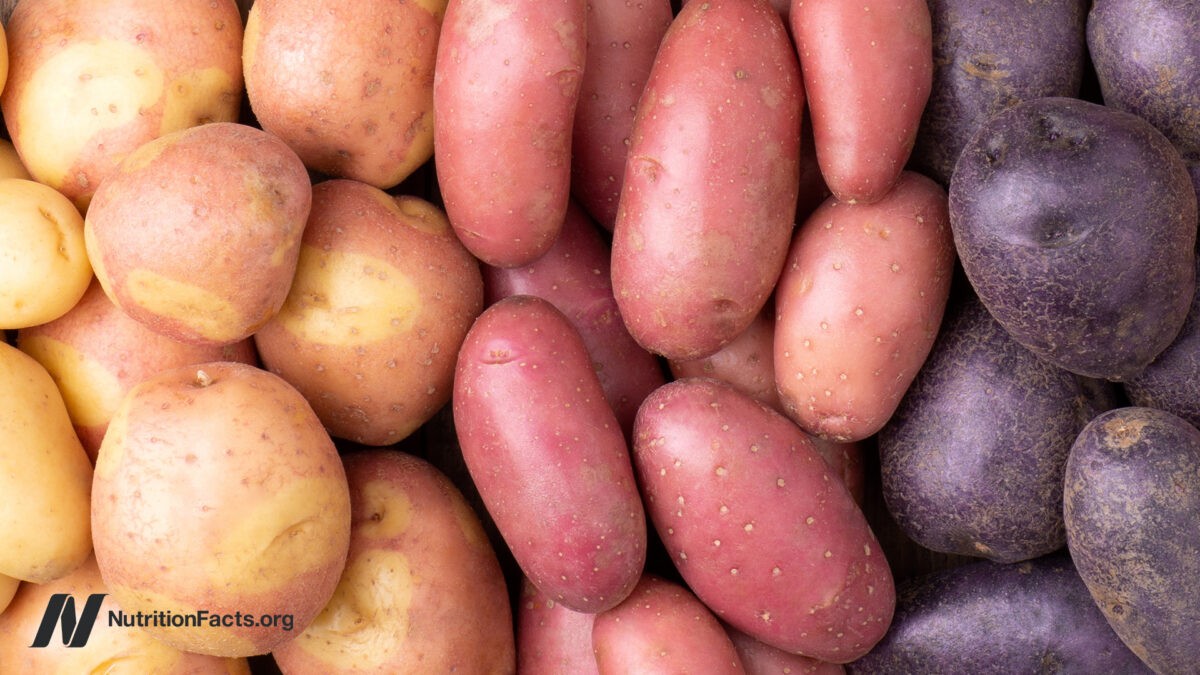
While potatoes are a staple in diets worldwide, they are often criticized for their high glycemic index—the speed at which they spike blood sugar. However, recent research suggests that not all potatoes are created equal. The secret to transforming the potato from a potential metabolic risk into a functional health food lies in its pigmentation.
The Glycemic Challenge
White potatoes are known for their high glycemic impact, which can lead to rapid insulin spikes. Over time, these spikes may overstimulate the pancreas and increase the risk of type 2 diabetes. While there are ways to mitigate this—such as chilling potatoes before eating to create resistant starch or pairing them with acids like vinegar—the most effective solution may be found in the variety of potato you choose.
The Power of Pigments
The most significant nutritional difference between potato varieties is the presence of natural pigments. Just as the deep colors in berries act as “starch blockers,” the pigments in certain potatoes can slow down starch digestion.
- White Potatoes: Offer minimal antioxidant benefits and can actually act as a pro-oxidant, potentially decreasing the antioxidant capacity of your blood.
- Yellow Potatoes (e.g., Yukon Gold): Provide roughly twice the antioxidant power of white potatoes.
- Purple Potatoes: These are the gold standard. They contain pigments that act as potent starch blockers, resulting in a much gentler rise and fall in blood sugar and insulin levels.
Key Insight: Half of a purple potato contains roughly the same amount of polyphenol antioxidants as half a cup of blueberries.
Three Major Health Benefits of Purple Potatoes
The research indicates that switching from white or yellow potatoes to purple-fleshed varieties offers three distinct physiological advantages:
1. Reduced Inflammation
Studies show that consuming purple potatoes can significantly lower markers of inflammation, such as C-reactive protein and interleukin-6, whereas white potatoes do not offer this same protective effect.
2. Enhanced Antioxidant Capacity
Eating a large purple potato can boost the antioxidant power of your bloodstream by approximately 60% within hours. This increase helps protect against free radical DNA damage, a stark contrast to white potato starch, which can actually lower antioxidant levels.
3. Improved Cardiovascular Health
In a two-week study, participants who ate purple potatoes showed improvements in arterial stiffness. This physiological change can lead to lower blood pressure, even in individuals already managing hypertension with medication.
Addressing the “Toxin” Concern: Glycoalkaloids
A common concern regarding potatoes is the presence of glycoalkaloids, which can be toxic in high doses. However, for the average person, the risk is minimal.
- The Threshold: For an average adult, a toxic dose would require consuming roughly 2 to 9 pounds of potatoes in a single sitting.
- Symptoms: Excessive intake can cause nausea, vomiting, or diarrhea, often mistaken for food poisoning.
- The Solution: If you are consuming large quantities of potatoes, peeling them is an effective safety measure, as nearly all glycoalkaloids are concentrated in the skin.
Conclusion
While white potatoes can pose challenges for blood sugar management, purple-fleshed potatoes serve as a functional superfood. By leveraging their unique pigments, they offer significant benefits for inflammation, antioxidant defense, and cardiovascular health.