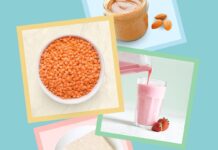
Heart disease remains the leading cause of death globally, but the good news is that diet plays a critical role in prevention and management. New guidelines from the American Heart Association (AHA) reinforce established wisdom while adding crucial context around ultra-processed foods and alcohol consumption. While the basics haven’t changed, the emphasis on modern dietary dangers is sharper than ever.
The Core Principles
According to cardiologists, dietary habits beginning in early life influence heart health by affecting blood pressure, cholesterol, weight, and inflammation. The message is clear: you have significant control over your risk. Even modest, sustained improvements can yield substantial long-term benefits. Here are the nine pillars of a heart-healthy diet:
- Calorie Balance: Match energy intake with physical activity to maintain a healthy weight. Obesity increases risks of cholesterol, diabetes, hypertension, and sleep disorders.
- Fruits and Vegetables First: Prioritize diverse produce. Different colors and textures provide fiber, which lowers LDL cholesterol, blood pressure, and inflammation. Canned and frozen options are also effective.
- Whole Grains Over Refined: Choose whole-wheat bread, brown rice, and oatmeal over white varieties. Fiber content is key for blood pressure, cholesterol, and weight management.
- Lean Proteins: Favor plant-based proteins (beans, nuts, seeds) over red meat. Fish rich in omega-3 fatty acids are also beneficial. Limit red meat and avoid processed meats.
- Unsaturated Fats: Replace saturated fats (butter, tallow) with unsaturated fats found in nuts, seeds, avocados, and plant oils. This improves cholesterol levels.
- Whole Foods Rule: Minimize ultra-processed foods with long ingredient lists. These offer little nutritional value and are linked to heart disease, cancer, obesity, and premature death.
- Limit Added Sugars: Reduce intake of foods with added sugars. High sugar intake is linked to obesity and type 2 diabetes, major heart disease risk factors.
- Low Sodium Intake: Avoid hidden sodium in processed foods. Season with herbs, spices, or lemon instead of salt. Increase potassium intake to help regulate blood pressure. Nearly half of U.S. adults have high blood pressure, making sodium control critical.
- Moderate Alcohol Consumption: If you don’t drink, don’t start. If you do, limit intake. Alcohol increases the risk of hypertension and other cardiovascular problems.
New Insights and Refinements
The AHA updates its dietary guidance every five years. The latest update reinforces previous recommendations but places greater emphasis on ultra-processed foods and alcohol. The guidance also highlights the importance of potassium-rich foods to balance sodium intake, recognizing a broader dietary pattern approach rather than focusing on single nutrients. Emerging data suggest that there is no “safe” level of alcohol consumption, even from a cancer perspective.
“The bigger impact can be made by watching the processed, premade, or preserved foods for their sodium content.” – Kevin Shah, MD
Is It Too Late to Change?
No. Shifting to a healthier diet at any age can yield benefits. The data support this unequivocally. Cardiovascular disease is not an inevitable outcome; dietary choices can drastically alter your risk profile.
These guidelines are not just abstract recommendations; they are actionable steps you can take today to protect your heart health. Prioritizing whole foods, limiting processed ingredients, and understanding the impact of alcohol and sodium are the cornerstones of a sustainable, heart-conscious lifestyle.