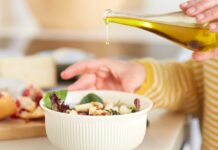
Most people know they should eat more fiber – the average American gets just half the recommended 25-38 grams daily. But many avoid it out of fear of bloating. That’s understandable; a sudden jump in fiber can cause digestive distress. However, with a few simple adjustments, you can enjoy the benefits of high-fiber foods without the discomfort.
Cook Your Vegetables for Easier Digestion
Raw vegetables can be tough on the gut. While a big kale salad might seem healthy, the undigested cellulose can lead to cramping and bloating. The fix is simple: cook your vegetables. Steaming, roasting, or simmering breaks down those tough plant cell walls, making fiber more accessible. Soups are especially effective, as simmering softens fiber while preserving nutrients.
Combine Rice with Beans and Quinoa for a Fiber Boost
Rice, even brown rice, isn’t naturally high in fiber. If you enjoy rice, don’t eliminate it – just improve it. One strategy is to mix it with higher-fiber starches. Nutritionist Kylie Sakaida recommends combining 1 cup of white rice with ½ cup quinoa, 1 cup edamame, and ½ cup pinto beans in a rice cooker. This creates a fiber-rich side dish that’s easier on digestion than beans alone.
Consider a Gentle Fiber Supplement
If you struggle to meet fiber needs through food, a supplement can help. Not all supplements are equal; look for options with prebiotic fiber, like Fibersol®-2, which has been clinically studied and is low-FODMAP. Prebiotic fiber improves gut health, reducing bloating. Some supplements also include probiotics that further combat gas and support abdominal comfort.
Snack on Raspberries and Blackberries
Berries are a naturally gentle source of fiber. Raspberries provide about 8 grams per cup, while blackberries offer around 7. Unlike some high-fiber foods, berries contain a mix of soluble and insoluble fiber that’s typically well-tolerated. Pairing berries with protein or healthy fat (like Greek yogurt or nuts) slows digestion and prevents blood sugar spikes.
Soak Chia Seeds Before Eating
Chia seeds are a fiber powerhouse: just 1 tablespoon contains about 4 grams. Sprinkle them into smoothies, yogurt, or oatmeal, but soaking them in water or milk for 15-20 minutes first is crucial. This creates a gel-like consistency that’s easier on the gut than dry seeds.
Stay Hydrated: Fiber Needs Water
Increasing fiber intake without increasing water intake is a recipe for bloating. Fiber absorbs water, and without enough liquid, it can slow digestion and cause constipation. Sip water (or herbal teas) throughout the day to keep things moving smoothly.
Boosting your fiber intake doesn’t have to mean bloating. By cooking vegetables, combining grains with beans, choosing gentle supplements, snacking on berries, and soaking chia seeds, you can support gut health without discomfort. Hydration is also key, ensuring fiber moves through your system effectively.