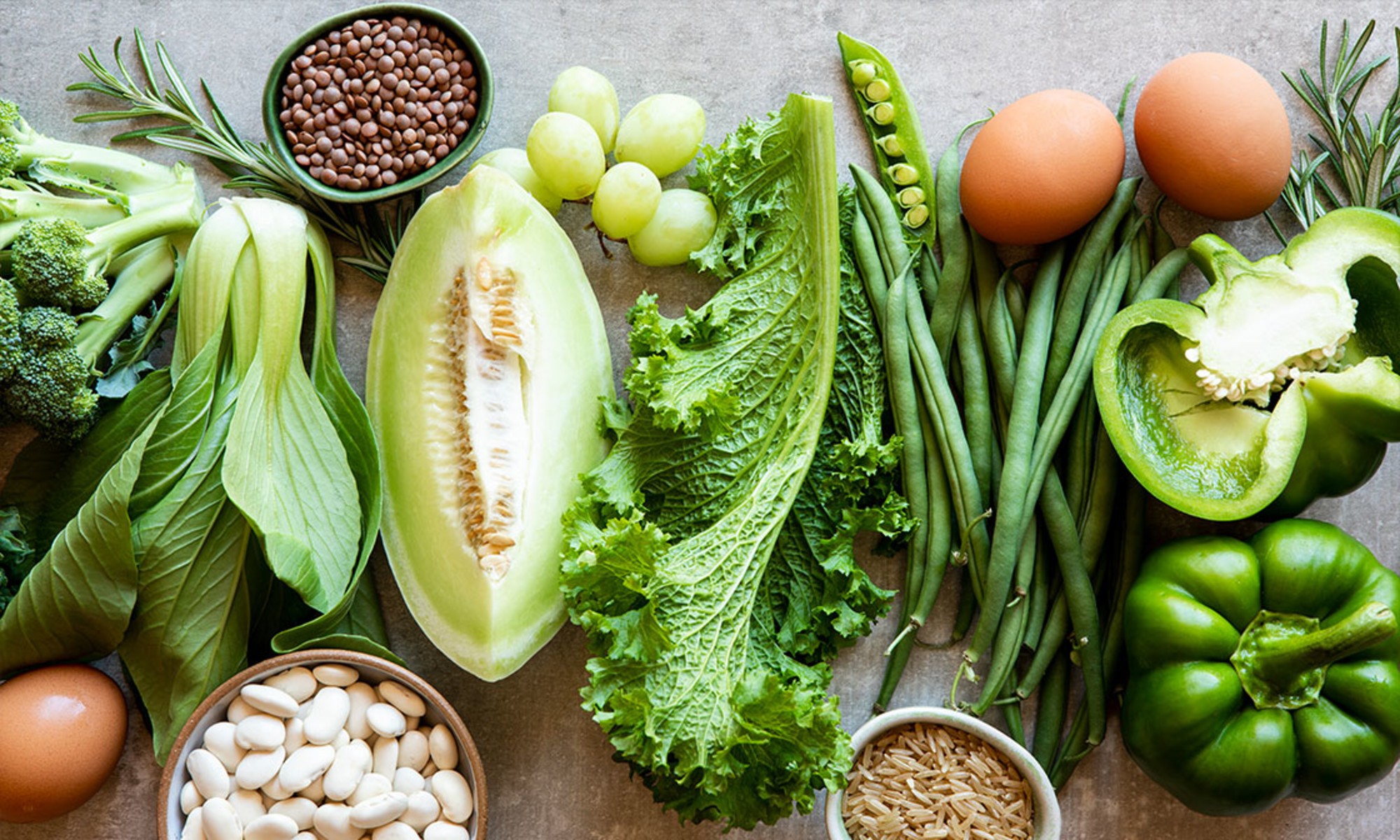
A large-scale analysis reveals a surprising public health blind spot: many Americans who believe they are eating “healthily” are still falling short on nutrients critical for long-term well-being. These aren’t minor gaps; they are deficiencies linked to serious conditions like osteoporosis, cardiovascular disease, and cognitive decline.
Researchers identified 10 “priority nutrients” that are consistently under-consumed across the U.S. population. These nutrients are deeply tied to healthy aging and chronic disease prevention, yet most people are not getting enough of them through diet alone.
What the Data Shows
The study analyzed nutrient intake across eight different age and sex groups, from children to older adults. The goal was to identify which nutrients were both critically lacking and directly associated with preventing diet-related diseases.
Out of 24 nutrients examined, 21 were under-consumed in at least one demographic group. However, 10 stood out as urgent public health priorities due to the severity of the deficiency or their powerful connection to disease prevention.
The top five nutrients identified as critical for all Americans, regardless of age or sex, are:
- Vitamin D
- Vitamin E
- Calcium
- Magnesium
- Dietary fiber
Other high-priority nutrients—choline, zinc, folate, omega-3 fatty acids, and potassium —were flagged as particularly important for specific groups, such as teens, pregnant women, or older adults.
Why These Nutrients Matter for Healthy Aging
These 10 nutrients are not arbitrary. They support the body’s resilience, energy levels, and structural integrity as we age. Below is a breakdown of their roles and the best food sources to boost your intake.
The “Big Five” for Everyone
Vitamin D
Essential for bone health, immune function, mood regulation, and muscle function. Despite its importance, over 90% of the population does not get enough.
* Best sources: Fatty fish, mushrooms, eggs, dairy products, and safe sun exposure.
Vitamin E
A potent antioxidant that protects cells from oxidative stress. Adequate intake may help reduce the risk of cognitive decline and chronic diseases.
* Best sources: Almonds, sunflower seeds, avocados, spinach, and salmon.
Calcium
Crucial for building and maintaining strong bones and teeth. It also supports nerve signaling and heart health, working synergistically with vitamin D and magnesium.
* Best sources: Leafy greens, dairy products, whey protein isolate, tofu, and sardines (with bones).
Magnesium
Involved in over 300 enzymatic reactions in the body. It helps regulate blood pressure and blood sugar, while promoting better sleep and muscle function.
* Best sources: Pumpkin seeds, almonds, black beans, spinach, whole grains, and dark chocolate.
Dietary Fiber
Keeps digestion healthy, feeds the gut microbiome, supports blood sugar balance, and helps lower cholesterol. Most Americans consume less than half the recommended daily amount.
* Best sources: Lentils, chia seeds, oats, raspberries, broccoli, and whole grains.
Targeted Nutrients for Specific Groups
Choline
Critical for brain health, liver function, and fetal development. It is particularly under-consumed by women of childbearing age.
* Best sources: Eggs (especially the yolk), beef liver, salmon, and soybeans.
Omega-3 Fatty Acids
Essential anti-inflammatory fats that support brain health, hormone function, and cardiovascular health. Since the body cannot produce them, they must be obtained through food.
* Best sources: Fatty fish (salmon, sardines), walnuts, flaxseeds, and chia seeds.
Folate
A B vitamin essential for DNA synthesis, cell growth, and fetal development. It also supports mood and heart health.
* Best sources: Dark leafy greens, lentils, asparagus, avocado, and fortified grains.
Zinc
Supports immune defense, wound healing, hormone production, and skin health. It is especially important for teenagers and pregnant individuals.
* Best sources: Pumpkin seeds, chickpeas, beef, cashews, and oysters.
Potassium
Helps balance fluid levels, supports muscle contractions (including heartbeat), and aids in controlling blood pressure.
* Best sources: Sweet potatoes, bananas, beans, leafy greens, avocados, and electrolyte drink mixes.
The Takeaway
This research highlights a critical distinction: there is a gap between a “pretty healthy” diet and an optimal, disease-preventing one. That gap often comes down to a handful of overlooked micronutrients.
To support healthy aging and long-term vitality, focus less on cutting out specific foods and more on filling the gaps. Prioritizing these 10 nutrients can help bridge the distance between feeling okay and thriving in the long run.