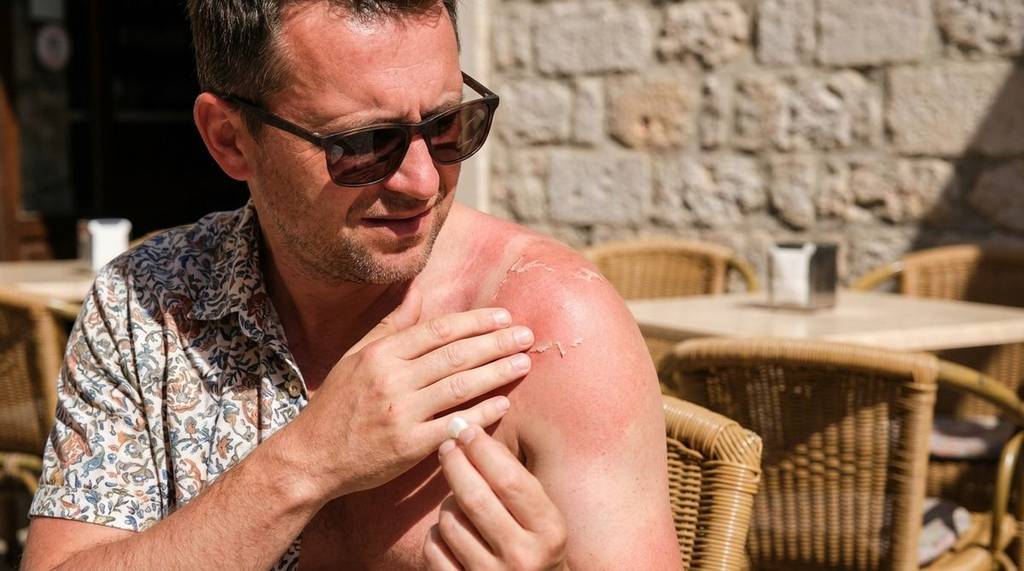
The sun is out. The urge to sit on a terrace with a coffee is almost physical. You apply sunscreen. You stay hydrated. You feel safe. Then evening comes, and your face is bright red. It looks like a severe sunburn. You blame the UV index. You blame the weather. You might even blame your skincare routine.
But the real culprit isn’t the sun. It’s in your medicine cabinet.
We often treat our bodies as separate entities from the pills we take. We assume a prescription works locally, treating the symptom without altering the system. This is wrong. Your body is a reactive ecosystem. A simple pill taken in the morning can turn daylight into a threat. The result is a painful, confusing rash that appears with terrifying speed. Understanding this mechanism is the only way to stop ruining your summer with preventable skin damage.
When Your Medicine Cabinet Becomes an Enemy
Nature’s light is good for your mental health. It regulates circadian rhythms. It boosts serotonin. But for millions of people, natural light is a silent enemy.
The National Agency for the Safety of Medicines in France (ANSM) regularly warns about these interactions. It isn’t just about forgetting to reapply SPF. It is about drugs that fundamentally change how your skin handles ultraviolet radiation.
You take a routine medication for a minor issue. A headache. A mild infection. You don’t realize that this compound is circulating in your bloodstream, settling in your skin cells. When UV rays hit those cells, they don’t just sit there. They react. The drug acts as an amplifier. Twenty minutes of sun exposure can feel like hours of intense, unprotected tanning.
Many people feel cheated. They followed the rules. They wore hats. They used lotion. The reaction still happened. The key is active prevention, not just reactive care. You need to know which drugs strip away your natural protection before the heat even rises.
The Chemistry of Photosensitization
The technical term is photosensitization. It sounds clinical. It sounds distant. But it is a brutal, chemical betrayal.
Here is what happens. You ingest a medication. The active ingredients enter your vascular system. They reach the dermis. Then, sunlight hits the surface. The ultraviolet waves don’t just warm the skin; they excite the drug molecules trapped inside.
This excitation is abnormal. It triggers a localized detonation. The drug molecules release micro-toxins that attack the integrity of your skin cells. The damage is immediate.
The symptoms are distinct and aggressive:
* Intense, fiery redness
* Swelling (edema)
* Severe sensitivity to touch
* Long-lasting brown hyperpigmentation spots
This reaction does not require a heatwave. It happens on cloudy days. It happens through car windshields. UV rays penetrate glass. The chemical reaction proceeds with mechanical precision. If you are taking photosensitizing agents, you are not protected by clouds. You are not protected by shade if you are still in direct or reflected light.
Antibiotics and Anti-Inflammatories: The Top Offenders
Two categories of drugs consistently top the list for causing these reactions. They are common. They are widely prescribed. And they are dangerous when combined with summer sun.
Antibiotics
Whether oral or topical, antibiotics are major triggers. A standard course for acne or a urinary tract infection primes your skin for burn. Even topical treatments applied to specific areas can sensitize the surrounding skin if they migrate or if the systemic effect is strong enough.
Anti-Inflammatories (NSAIDs)
Non-steroidal anti-inflammatory drugs are equally risky. You might have a tube of ointment for a sprained ankle or a knee pain from hiking. You rub it in. You feel relief. You think you are safe.
You are not.
The medication creates a chemical vulnerability. If you expose that treated area to sunlight, even for a short time, the relief turns into pain. The skin reacts instantly. Healing is delayed. The inflammation worsens.
The danger is not just the burn. It is the hidden damage to the skin’s barrier, which takes weeks to repair and leaves behind stubborn pigmentation.
Practical Steps for Summer Safety
You do not need to abandon your medications. You do not need to live in fear of the outdoors. You need to adjust your behavior.
- Check Your Labels. Look for warnings about photosensitivity. If you see them, take them seriously.
- Dress Strategically. If you are on high-risk medications, cover up. Long sleeves. Wide-brimmed hats. UV-blocking sunglasses.
- Avoid Peak Hours. Stay out of direct sunlight between 10 AM and 4 PM.
- Use Physical Barriers. Umbrellas. Sun shelters. Car windows with UV coating.
- Consult Your Doctor. If you notice unusual redness or burning, stop exposure immediately. Call your provider. Do not ignore it.
The sun is not the enemy. Ignorance is. Your body is reacting exactly as the chemistry dictates. The solution is not to hate the sun. It is to respect the chemistry.
Next time you reach for that pill, think about where the sun is. Think about what is happening in your skin. The choice is yours. The burn is not inevitable. It is a warning. Listen to it.
The relationship between light exposure and medication is often overlooked until a rash appears. Many people take daily pills for blood pressure or fluid retention, assuming the regimen is straightforward. They swallow the pill at breakfast. They head out. They get burned.
It isn’t bad luck. It is a known pharmacological side effect called photosensitivity.
Certain drugs, when they circulate in your system, lower the threshold for UV damage. The skin loses its natural ability to filter ultraviolet rays. You don’t need a clear, bright day to get a reaction. Even light cloud cover or shade isn’t always enough protection if the drug is in your bloodstream.
This is not limited to exotic compounds. It affects common treatments. Diuretics are a primary culprit. So are antibiotics, anti-inflammatories, and some antidepressants. The reaction can manifest as a severe sunburn, blistering, or a darkening of the skin. It can happen on exposed areas, but sometimes it spreads.
Why Diuretics Make You Sensitive to UV Rays
Diuretics are prescribed to reduce fluid buildup and lower blood pressure. They help the heart work less hard. This is good for long-term health. But they have a hidden interaction with sunlight.
The mechanism is chemical. These molecules absorb light energy. This energy triggers a reaction in the skin cells. The result is inflammation.
You might think you are careful. You wear sunglasses. You stay in the shade until noon. But if you are taking a photosensitizing drug, the protection is thinner than you realize. The reaction can appear hours or even days after exposure. It is easy to misdiagnose it as an allergic reaction or a viral rash.
This is why understanding how to manage photosensitivity from medication is critical. It prevents unnecessary suffering. It also prevents misdiagnosis.
Protecting Your Skin Without Stopping Treatment
Abandoning prescribed medication is rarely the solution. The cardiovascular or renal benefits usually outweigh the risk of a sunburn. But you must adapt your behavior.
Passive protection is not enough. You need active barriers.
Physical Barriers
Clothing matters more than you think. Loose, lightweight fabrics are better than tight weaves. Darker colors often offer higher UV protection than lighter ones. A wide-brimmed hat is not just a fashion statement. It shields the face, ears, and neck. These are high-risk zones.
Topical Defense
Sunscreen is mandatory. But not all sunscreens are equal for photosensitive skin. You need a high protection factor. SPF 50+ is the standard recommendation. Mineral-based sunscreens (with zinc oxide or titanium dioxide) are often preferred. They sit on top of the skin and reflect light. Chemical sunscreens absorb UV rays. With photosensitivity, the combination of drug and chemical filter can sometimes increase irritation.
Apply it generously. Reapply every two hours. If you are sweating, reapply more often.
Reading Labels: The Sun Symbol on Boxes
Pharmacists and doctors know about this risk. But they are busy. You need to be your own advocate.
When you pick up a new prescription, look at the box. Look for a symbol. It is usually a sun covered by a cloud inside a triangle. It is a warning.
Read the leaflet. Search for terms like:
* “Photosensitivity”
* “Phototoxic reaction”
* “Sun exposure”
* “UV radiation”
These terms confirm the risk. If the leaflet mentions it, take it seriously.
This warning label is not just for prescription drugs. It can appear on over-the-counter medications too. Some herbal supplements contain compounds that act similarly. St. John’s Wort is a famous example. It can cause severe reactions if you stay in the sun.
Beyond Diuretics: Other Common Culprits
Diuretics are not the only offenders. The list of drugs that cause photosensitivity is long.
Antibiotics: Tetracyclines, fluoroquinolones (like ciprofloxacin), and sulfonamides are well-known for this. They are common for skin, urinary, and respiratory infections.
Anti-inflammatories: Non-steroidal anti-inflammatory drugs (NSAIDs) like ibuprofen or naproxen can cause reactions, especially with prolonged use or high doses.
Antidepressants and Antipsychotics: Certain tricyclic antidepressants and phenothiazines increase sensitivity.
Retinoids: Used for acne and anti-aging, these thin the skin. They make UV damage more likely and more severe.
Diabetes Medications: Some sulfonylureas can trigger photosensitive eruptions.
Practical Steps for Safe Sun Exposure
You do not need to hide indoors. You just need to be smarter.
- Check your meds. Review every pill in your cabinet. Ask your pharmacist about photosensitivity risks. Do this before you start a new treatment.
- Time your activities. Avoid peak UV hours, usually 10 a.m. to 4 p.m. If you must be out, seek deep shade.
- Cover up. Wear long sleeves. Wear a hat. Wear sunglasses that block 100% of UVA and UVB rays.
- Use high-SPF sunscreen. Mineral formulas are often gentler on sensitive skin.
- Monitor your skin. Look for redness, itching, or blistering. If it happens, stop sun exposure immediately. See a doctor if the reaction is severe.
When to See a Doctor
If you develop a rash after starting a new medication, do not assume it is just a bug bite. Take a photo. Note the date you started the drug. Note when the rash appeared.
Show this to your doctor. They may switch your medication. They may adjust the dose. Or they may simply advise you to be more careful with sun exposure.
Never stop taking prescribed medication without consulting your doctor. The risks of untreated hypertension or infection are far greater than a sunburn. But you must manage the side effects.
The Bottom Line
Sun protection is no longer just about tanning. It is about medical safety. If you take diuretics, antibiotics, or other common drugs, your skin is more vulnerable.
Awareness is your best tool. Read the labels. Ask questions. Wear the hat. Use the sunscreen.
The goal is not to fear the sun. The goal is to respect it. Your body is doing complex work with those pills. Let it do that work without adding UV damage to the mix.
Stay informed. Stay protected. The rest will follow.